
Ever found yourself Googling “how do I actually start a career in medical billing and coding” and feeling like every answer just leaves you more confused? If so, you’re far from alone—and that’s exactly why I’m writing today.
Whether you’re hoping to jump start a new path or looking to make your current healthcare job more future-proof, mastering the basics (and the secrets) of medical billing and coding can pay off—literally and figuratively. Here’s a step-by-step guide on how to approach this rewarding field in 2026 and what I wish someone had explained to me when I began.
Step 1: Understand What Medical Billing and Coding Actually Involves

Both roles deal with health records, insurance reimbursement, and detailed documentation codes, but they aren’t the same job. Coders turn patient notes into codes (CPT, ICD-10-CM, HCPCS), while billers submit these to insurance for payment. Many professionals do both—or specialize as they gain experience.
Step 2: Know Your Certification Options
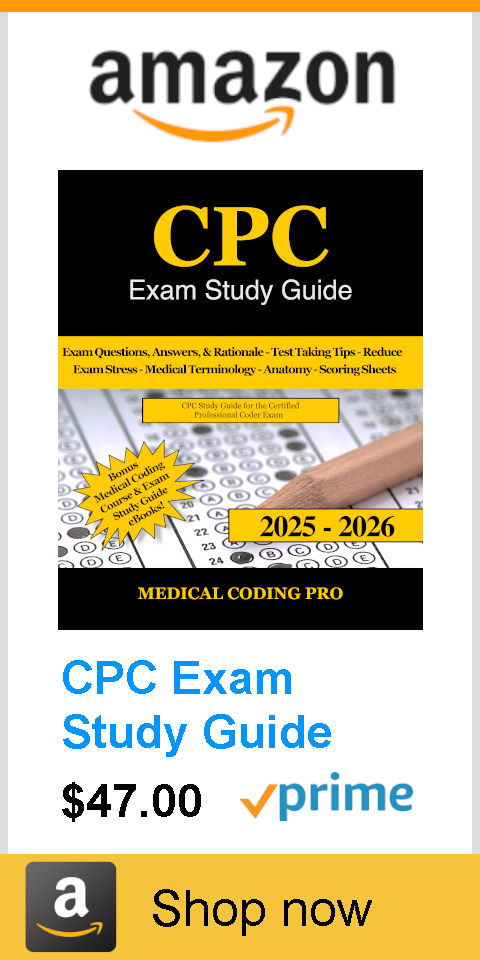
- CPC (AAPC): The go-to for physician and outpatient coding roles.
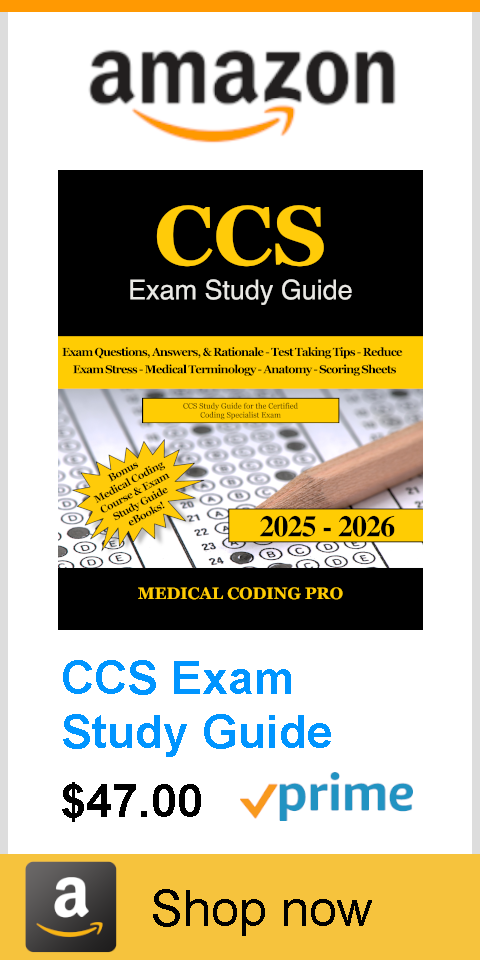
- CCA/CCS (AHIMA): Ideal if you’re interested in inpatient/hospital coding or broader credentialing.
- CPB (Certified Professional Biller): Adds a valuable layer if you want to manage the full revenue cycle.
Credentials aren’t just resume fluff. Most employers won’t consider applicants without at least one of these—plus, they’re the quickest route to higher pay (and remote work opportunities later on).
Step 3: Build Your Knowledge Base—The Smart Way
- Start with up-to-date study guides, not random Google searches. Outdated info leads to failed exams and wasted time.
- Practice with mock exams to learn real test formats and timing.
- Learn the coding manuals: ICD-10-CM, CPT, HCPCS. Hands-on practice is king.
Step 4: Prepare for the Job Market (and Use Your Study Time Wisely)
Entry-level jobs may not be remote, but strong exam scores and certifications get you there faster. Specializing in fields like risk adjustment coding (CRC credential) or anesthesia/radiology usually means higher starting pay. And if you’re eyeing international jobs or project-based work, real mastery of codebooks and audit accuracy makes doors open that would otherwise stay shut.
Recommended Practice Resources
- CPC Exam Study Guide 2025-2026
- CCA Exam Study Guide 2025-2026
- CCS Exam Study Guide 2025-2026
- CPB Exam Study Guide 2025-2026
- CRC Exam Study Guide 2025-2026
If you’re serious about making this journey smoother, browse the full suite of practice exams and prep tools in the Medical Coding Pro Store. An investment in current materials pays back tenfold in saved study hours and first-time exam success.
Still not sure which path fits best, or what employers in your area expect from new hires? Hit reply. I read every message, and I’m here to help you take your next step confidently.
To your learning and career growth,






This Post Has One Comment
Thank you very much for your straight to point simple explanation.
tannermckinney63@gmail.com
Comments are closed.